A river worth knowing
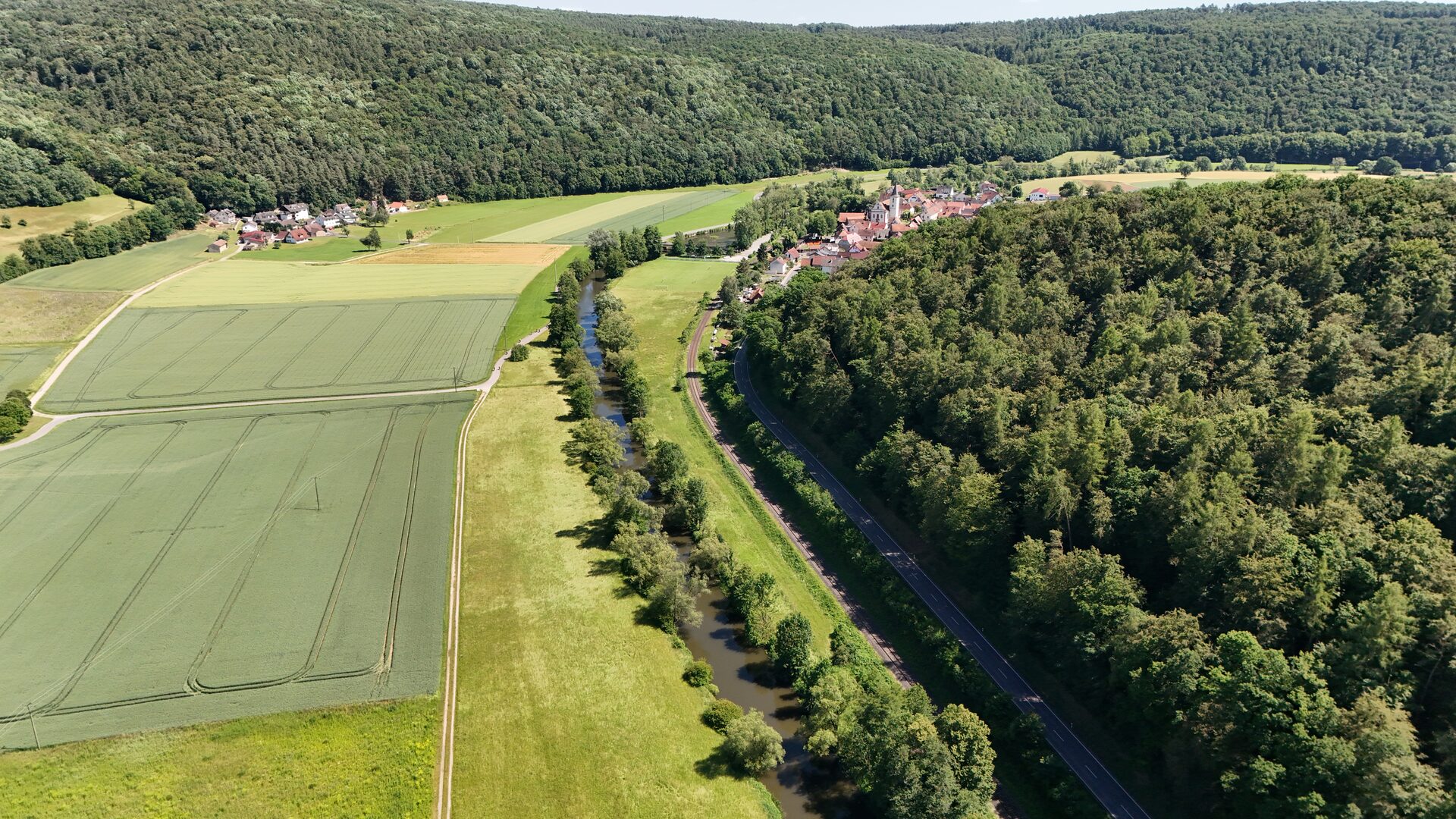
Where the Franconian Saale, here in Lower Franconia, winds out of the uplands towards the Main, it carves a quiet valley between the Spessart and the Rhön. Here is what makes this stretch tick - and why it is such a good place to fish.
A mid-mountain river with three faces
The Franconian Saale is not the big Saale of central Germany - it is a right-bank tributary of the Main. It rises in the Grabfeld near Bad Königshofen and, after about 140 kilometres, joins the Main at Gemünden. Our beats lie in the lower reach, only a few kilometres before that confluence, between Wolfsmünster, Schonderfeld and Gräfendorf.
On one short stretch the river changes its mind several times. Fast, oxygen-rich riffles over gravel are classic salmonid and grayling water, where brown trout, grayling and barbel feel at home. Where the current eases and the Saale backs up above the weir, the picture turns calm and deep - the realm of carp, tench, bream, coarse fish and heavy eels.
The river in figures
- Waterway
- Franconian Saale (Main tributary)
- Length
- about 140 km
- Mouth
- into the Main at Gemünden
- This stretch
- Wolfsmünster - Schonderfeld - Gräfendorf
- Gauge
- Wolfsmünster (river-km 6.9)
- Mean flow
- approx. 16.6 m³/s
- Highest recorded level
- 653 cm (Jan 2003)
Between red sandstone and shell limestone
The valley sits right on a geological seam. The wooded heights of the Spessart are made of red Buntsandstein sandstone - it covers more than four fifths of the range and gives the region its warm, reddish building stone. The Saale itself has cut down into Wellenkalk, the lower shell limestone, leaving steep slopes with dry calcareous grassland and juniper heath above the river.
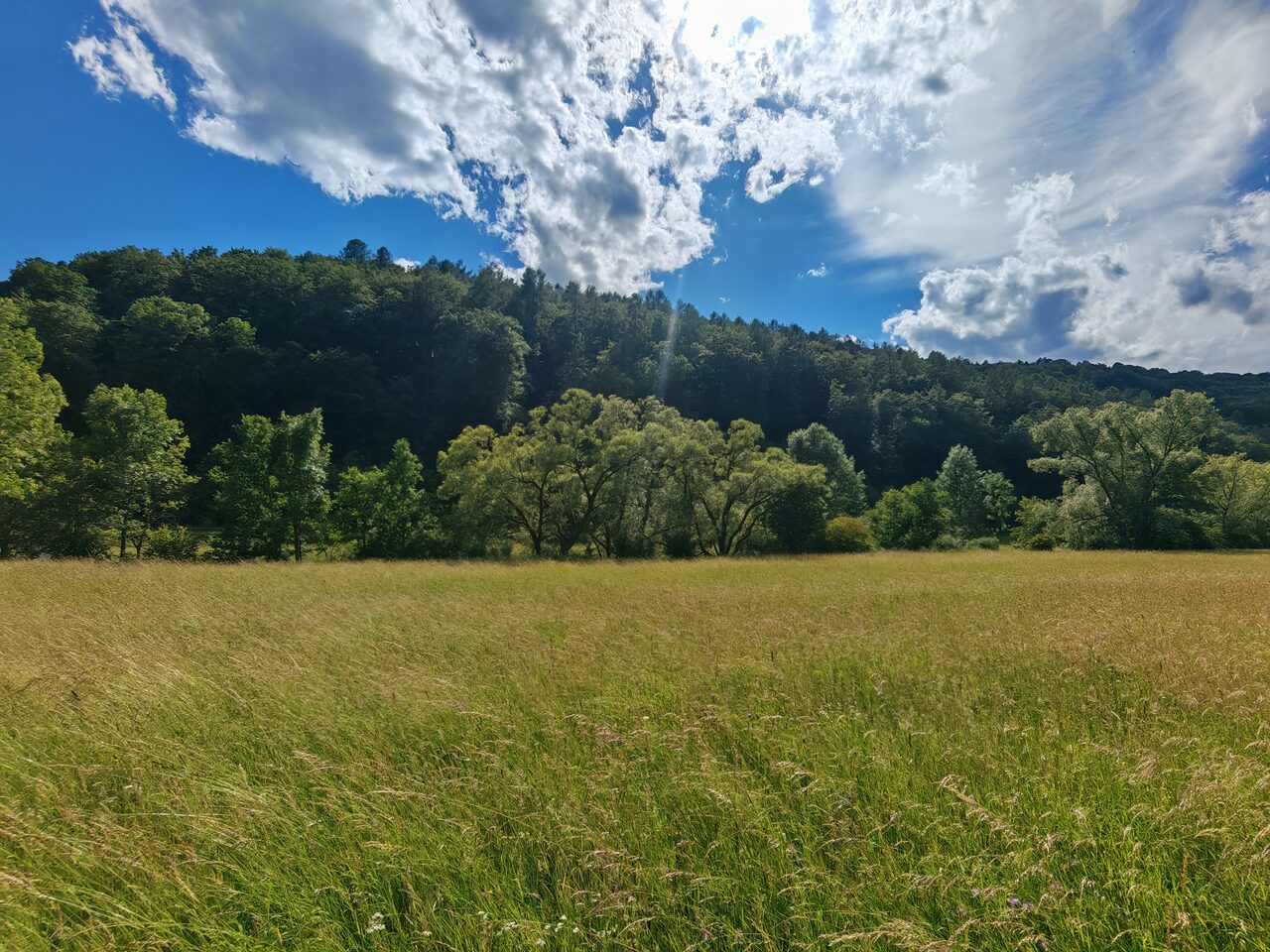
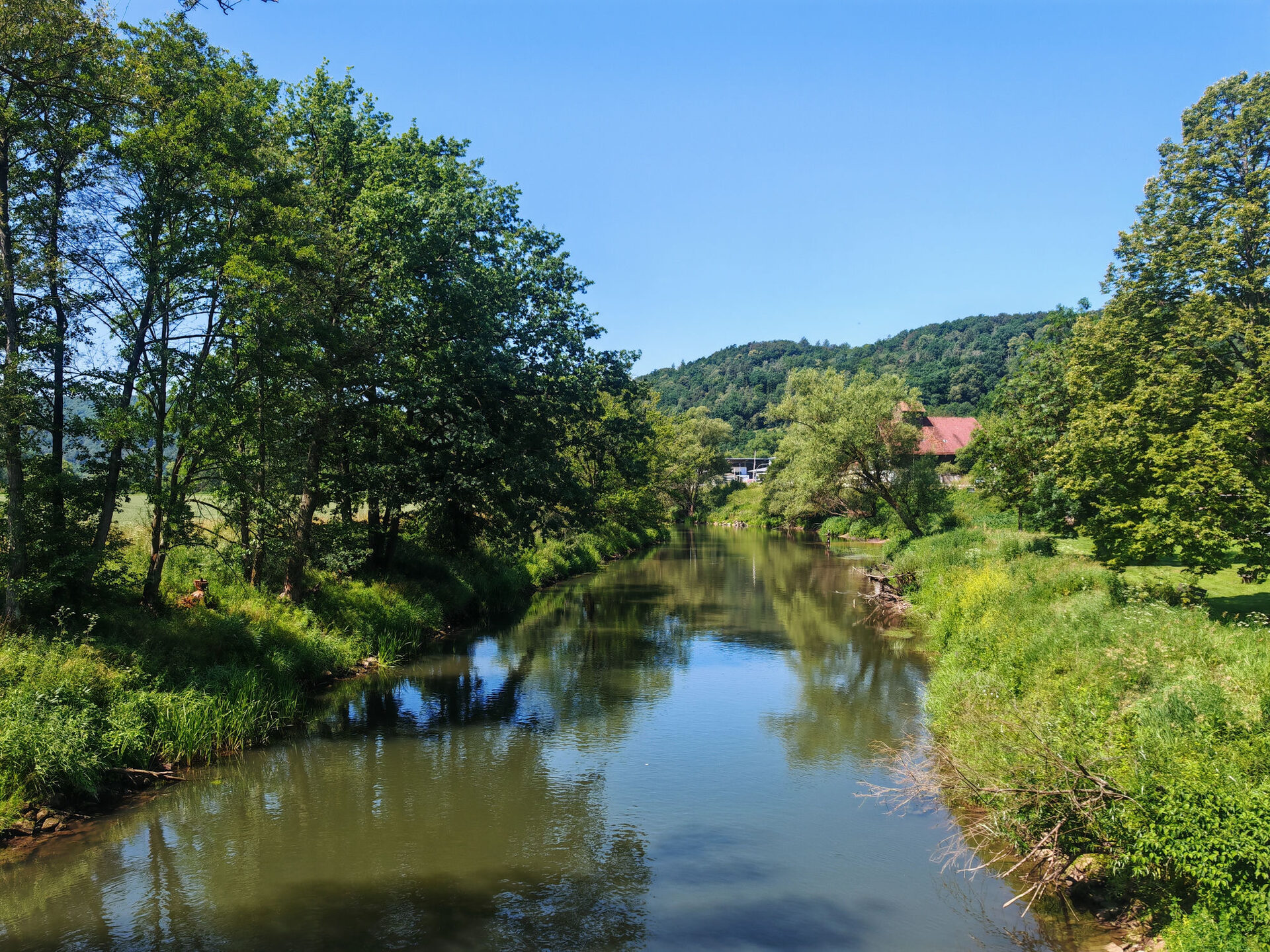
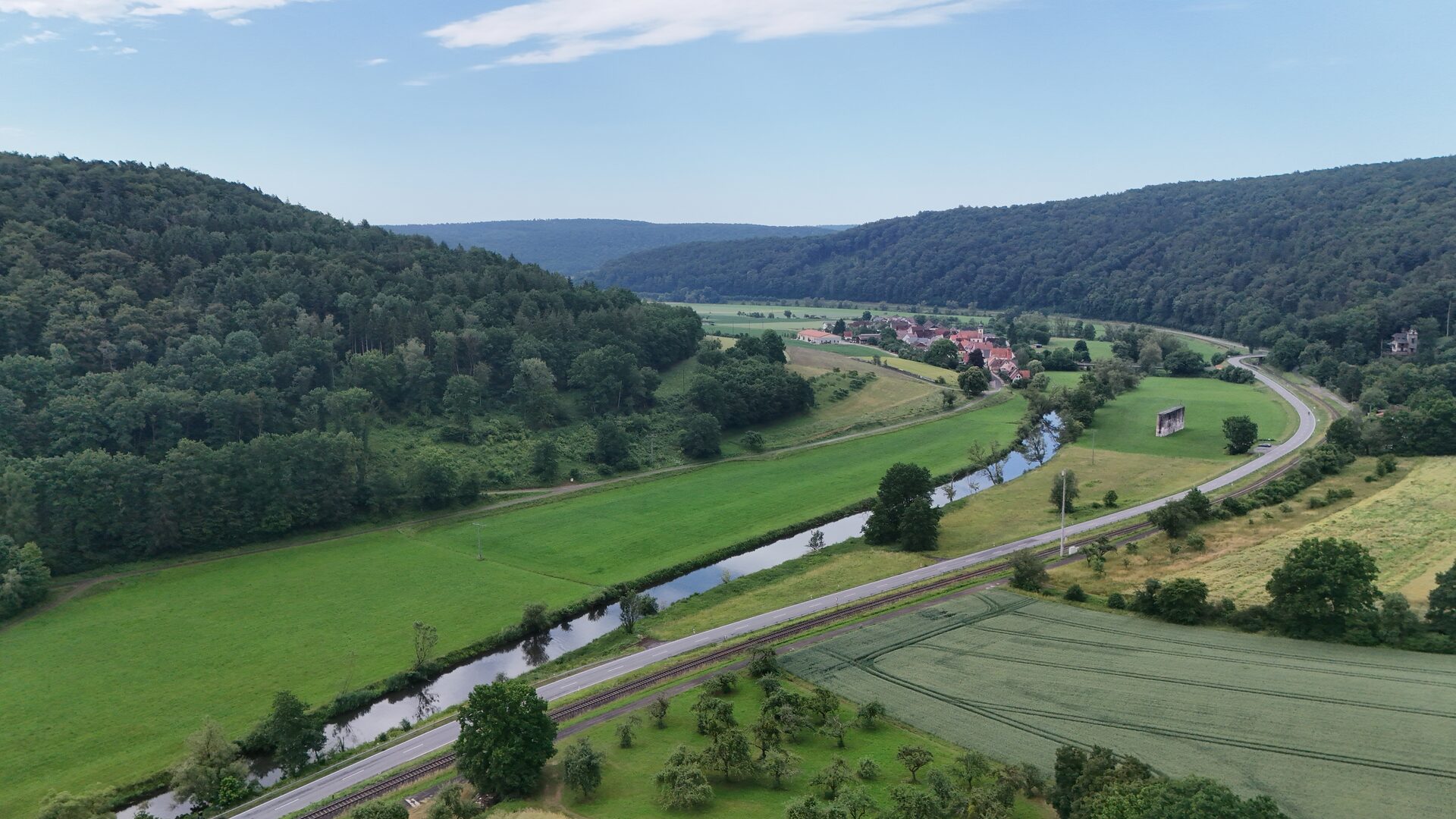
Down on the valley floor the Saale meanders in broad bends with gliding and undercut banks. The floodplain is mostly grassland and is flooded almost every year - which is exactly what keeps the meadows lush and the water rich in life.
How the Saale was given room again
Two structures shape this reach above all: the Gräfendorf weir - and a meander that was brought back to life.
The Gräfendorf weir
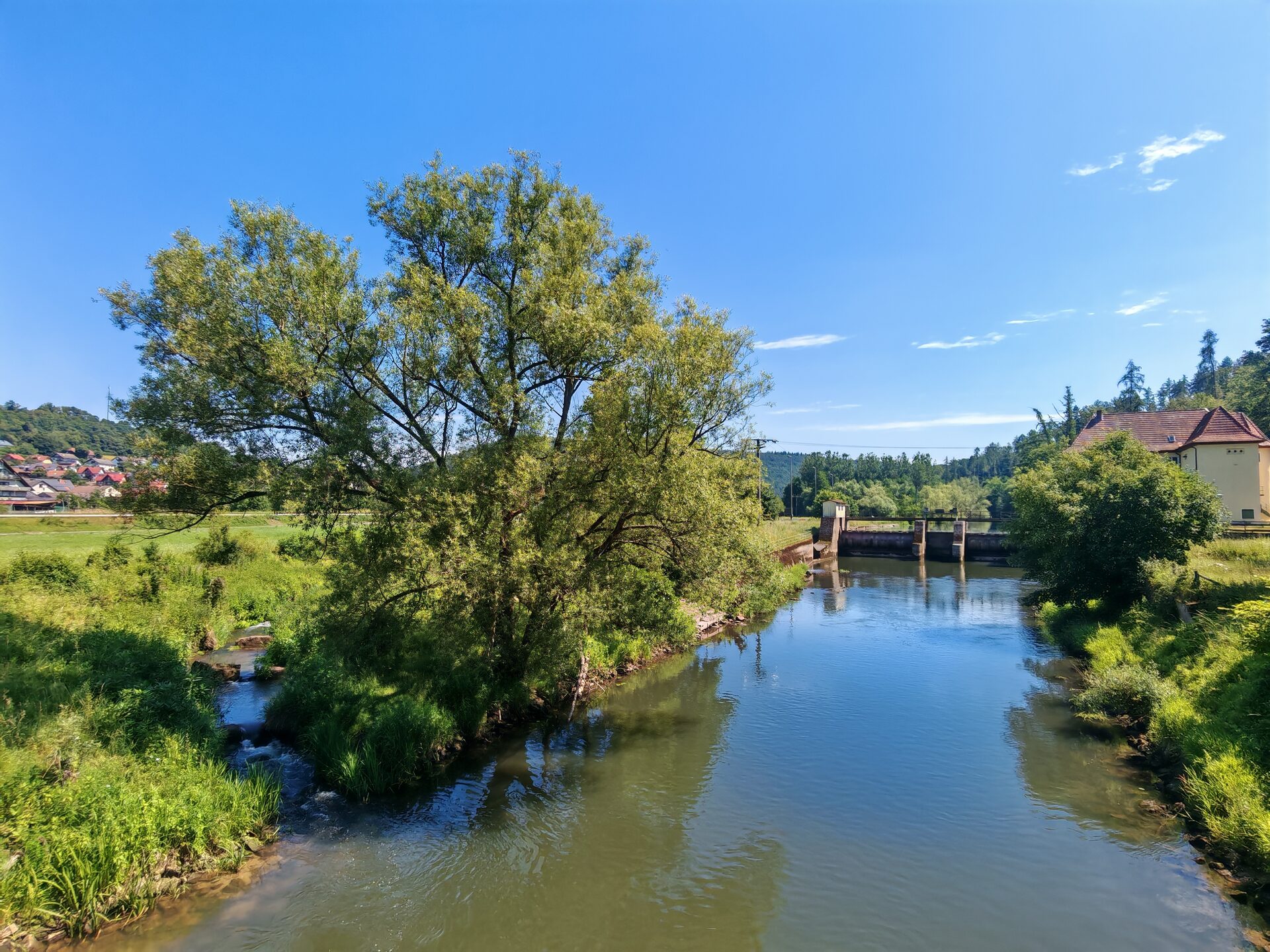
At Gräfendorf a weir with a small hydro-power plant backs the river up into a calm pool, up to around five metres deep - good water for carp, tench and eels, while heavy pike hold just below the weir. A bypass channel with a fish ladder keeps the river passable, so fish can run up from the Main and past Gräfendorf. During the spawning run you can watch fish moving through the pools of the pass.
The reborn „Old Saale“
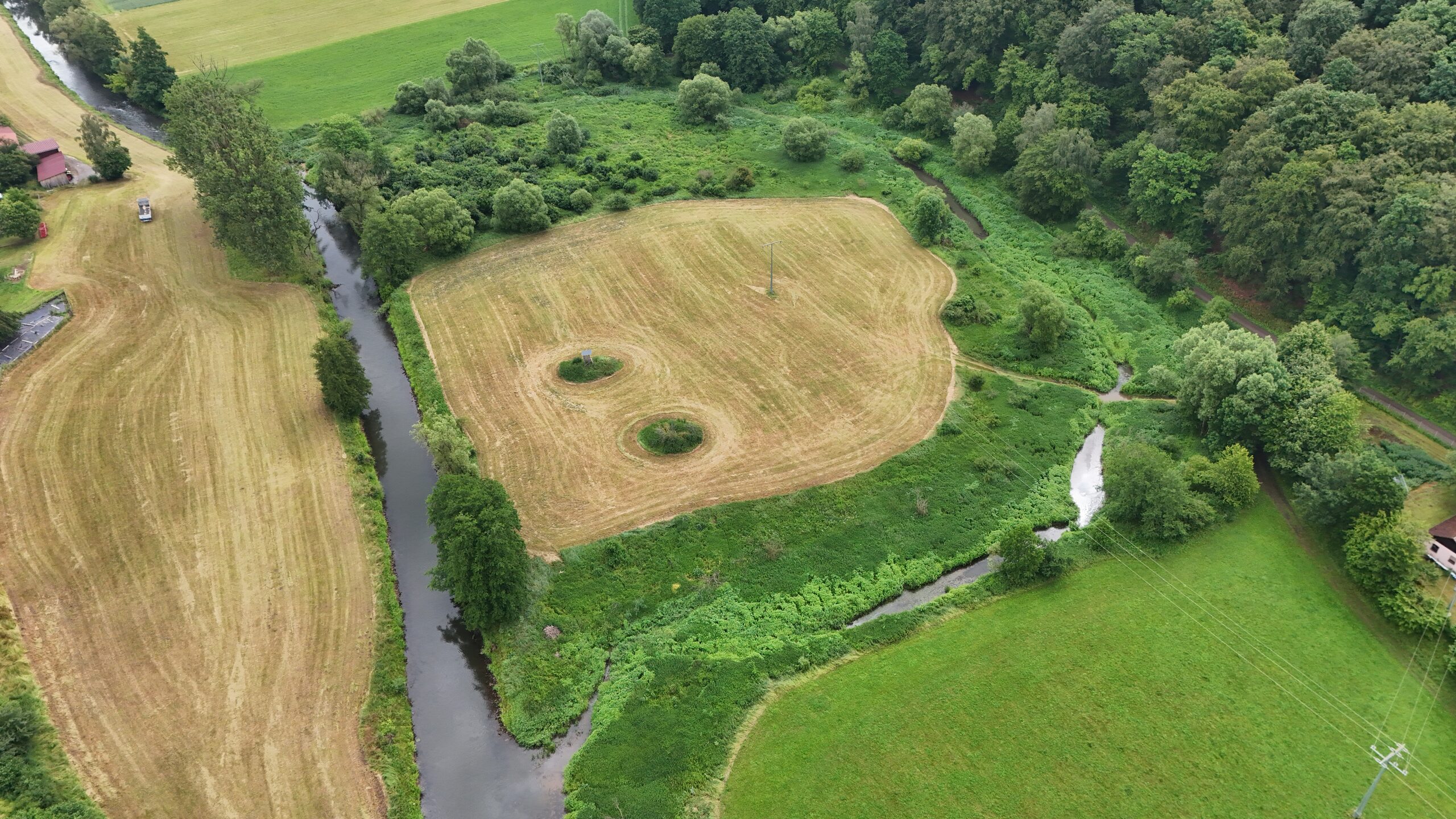
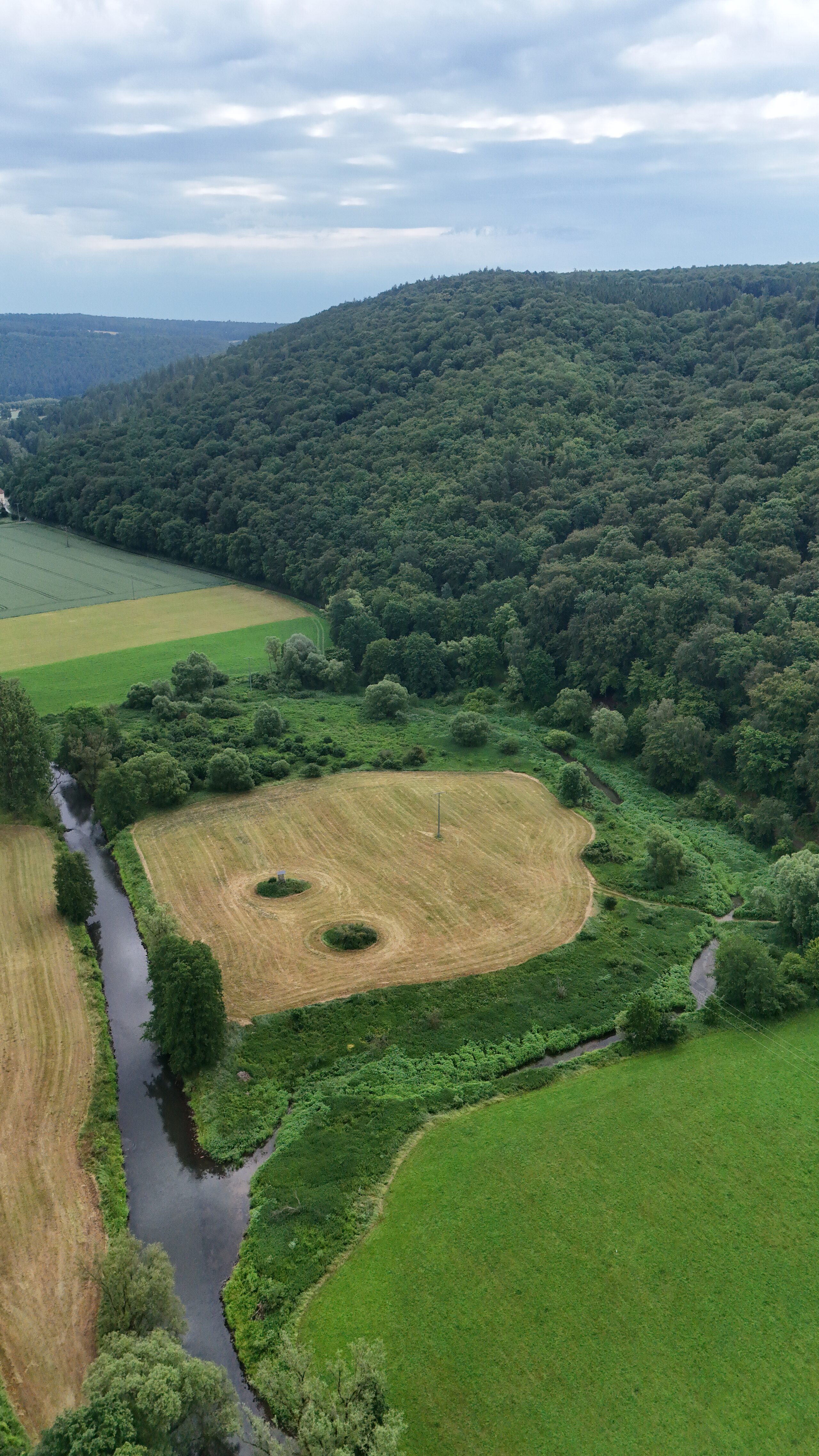
An old loop of the river had been cut off and filled in during an earlier land consolidation. In 2001 and 2002 the water authority (Wasserwirtschaftsamt Aschaffenburg) reopened it: along roughly 500 metres they removed more than 20,000 cubic metres of fill, at a cost of about €130,000, so part of the Saale flows through the bend again.
The result is shallow, gently flowing water with unspoilt, irregular banks - a nursery for young fish and a haven for birds, amphibians and insects. Such cut-off loops carry the old field name „Alte Saale“, the Old Saale.
Herons, beavers and a sky full of kites
Along the bank the grey heron patiently stalks the shallows - an elegant ambush hunter that takes mostly small whitefish, amphibians and mice, and can do no harm to a healthy river. The cormorant belongs here too: a fascinating diver, once almost wiped out and today rightly strictly protected. In winter it fishes the open flowing stretches - yet its impact on wild, structurally rich stocks is often overstated, because habitat and water quality decide far more about the fish than a few birds ever could.
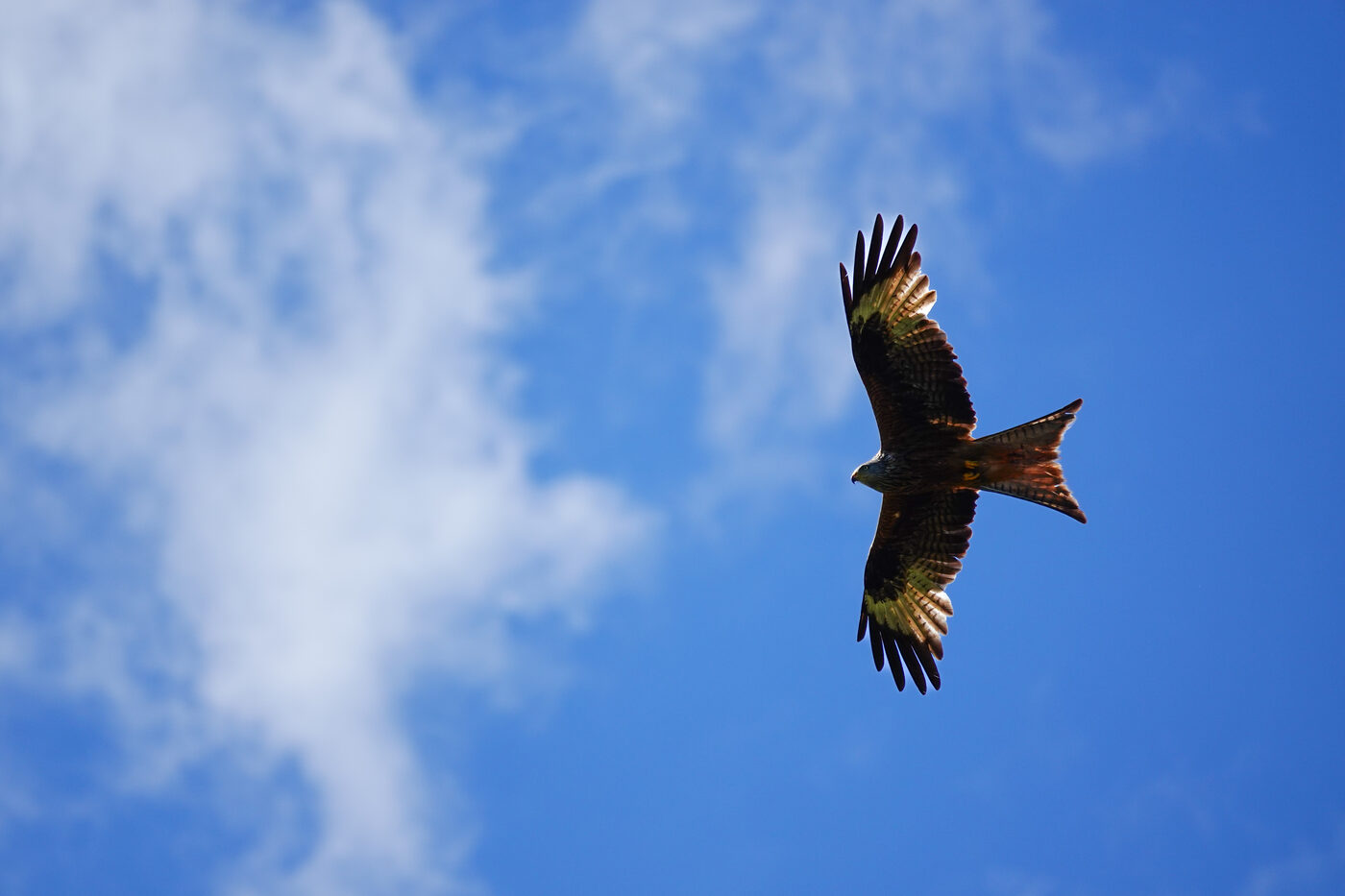
The beaver, a pure vegetarian, has been working its way back up the Saale since its reintroduction in Bavaria from 1966. Overhead, red kites circle - Germany is home to well over half the world population, which makes them a true responsibility species. Over clean, flowing water the banded demoiselle flickers like blue glass: a living sign of good water quality.
Since 2012 the strictly protected otter has come back too - barely a thousand live in all of Germany, and it has been confirmed right where the Weizenbach meets the Saale near Gräfendorf. That it hunts here again speaks for a valley whose food chain is whole once more.
Local accounts of grayling stocking and the return of the nase are encouraging but regionally sourced.
A community for the Saale
Behind the permits stands the Hegefischereigenossenschaft - the community that tends and cares for these stretches. „Hege“ means giving something back to the water: we have let the Old Saale meander freely again, and we work for the return of the nase and a healthy eel stock.
On fischenandersaale.de we tell the fuller story of that work - from the restored meander to the fish of the Saale and life along the bank. Do stop by:
Stories along the bank
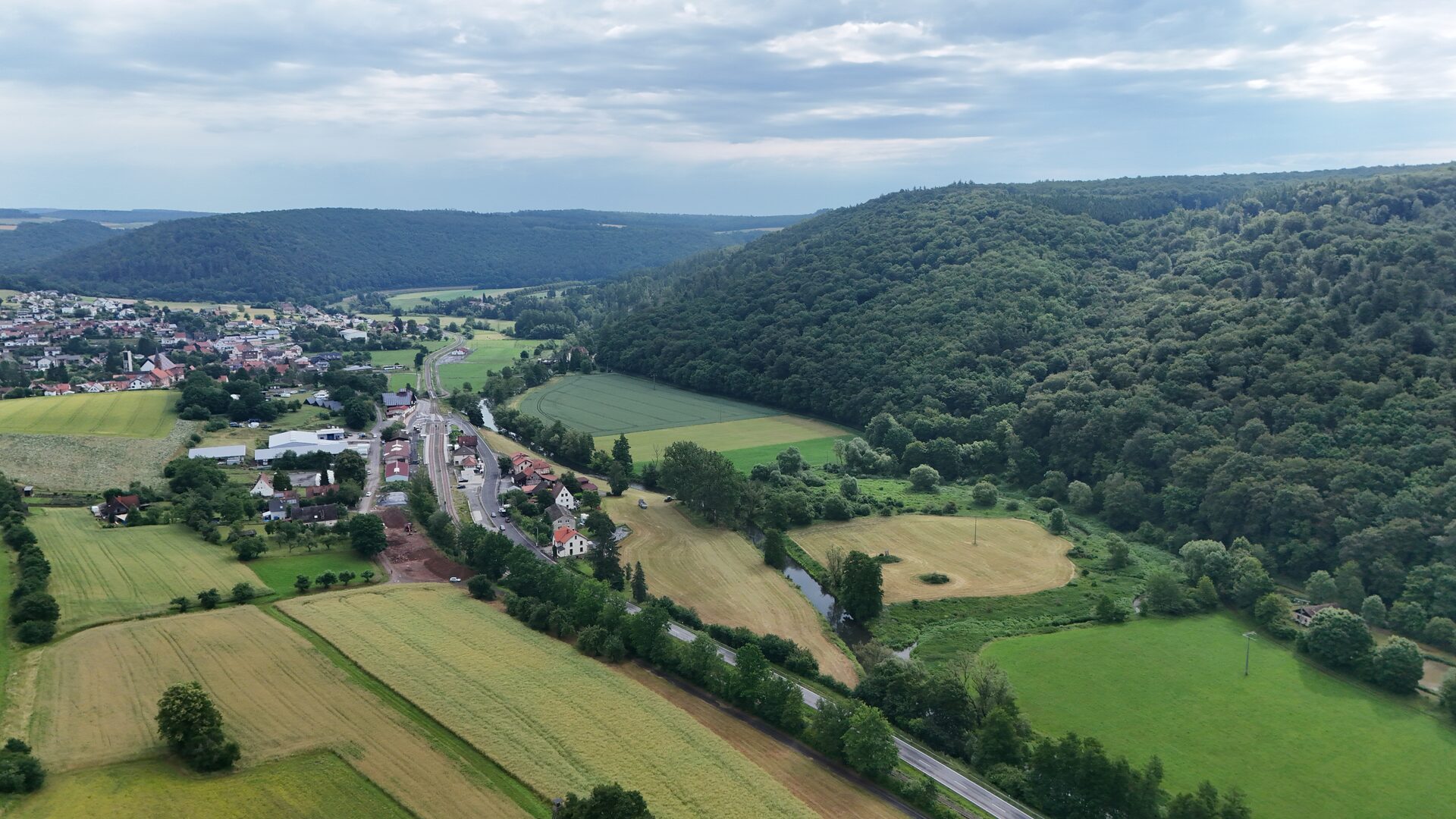
The water runs past three small villages of the municipality of Gräfendorf - each with its own history.
Wolfsmünster
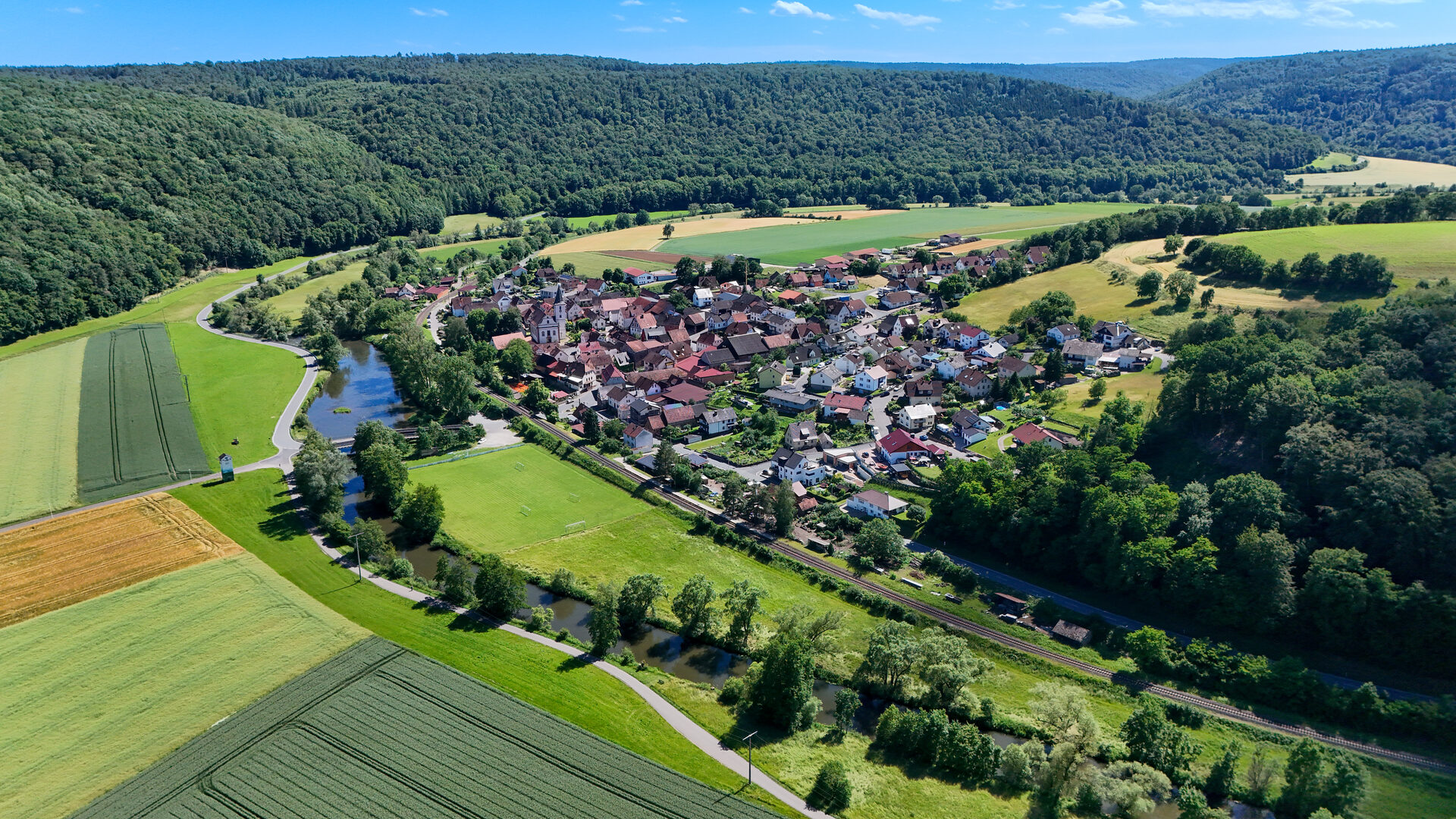
The oldest of the villages, traced back to 802. Its name has nothing to do with wolves: it grew out of „Baugolfszell“, a cell founded by Baugulf, abbot of Fulda - Baugolfszell became Baugolfsmünster, then Bolsmünster, finally Wolfsmünster. The church of St Wolfgang keeps an Early Gothic tower from the 13th century.
Schonderfeld
First mentioned in 1311 as „Schunderfeld“, on the left bank between Gräfendorf and Wolfsmünster. Before the 1978 reform, with barely 130 inhabitants it was the smallest independent municipality in the old district of Gemünden.
Gräfendorf
The „village of the count“ (from Middle High German grêve, count). Since 1 May 1978 it has united five villages and lies within the Spessart Nature Park; it is widely listed as a recognised resort (Erholungsort).
Seewiese fish farm
Founded in 1882 by Friedrich Zenk and honoured in London as early as 1883, the trout farm opposite Schonderfeld is regarded as one of the oldest - if not the oldest - fish farms still working in Germany. The fish farm
The lone bridge pier
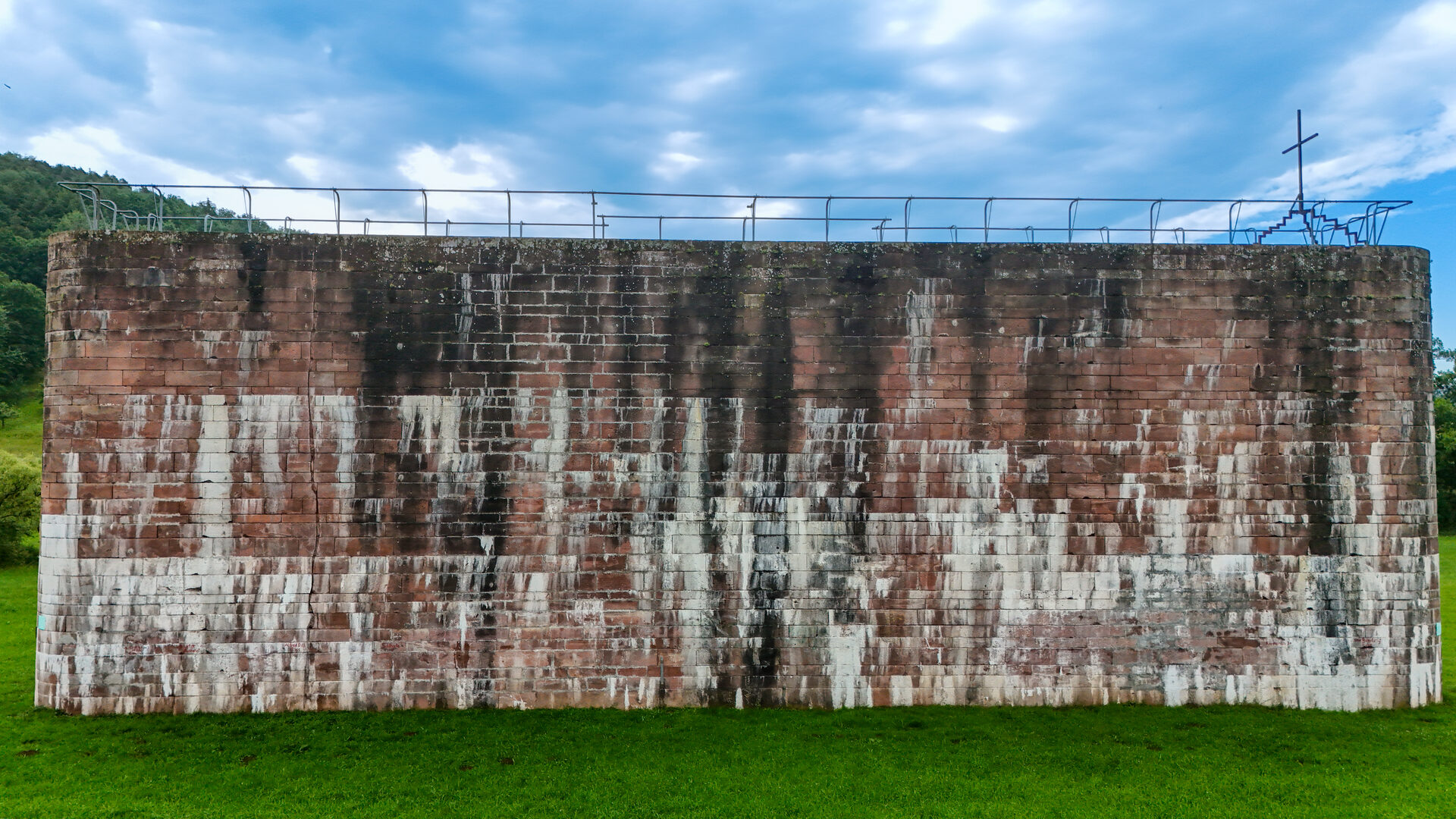
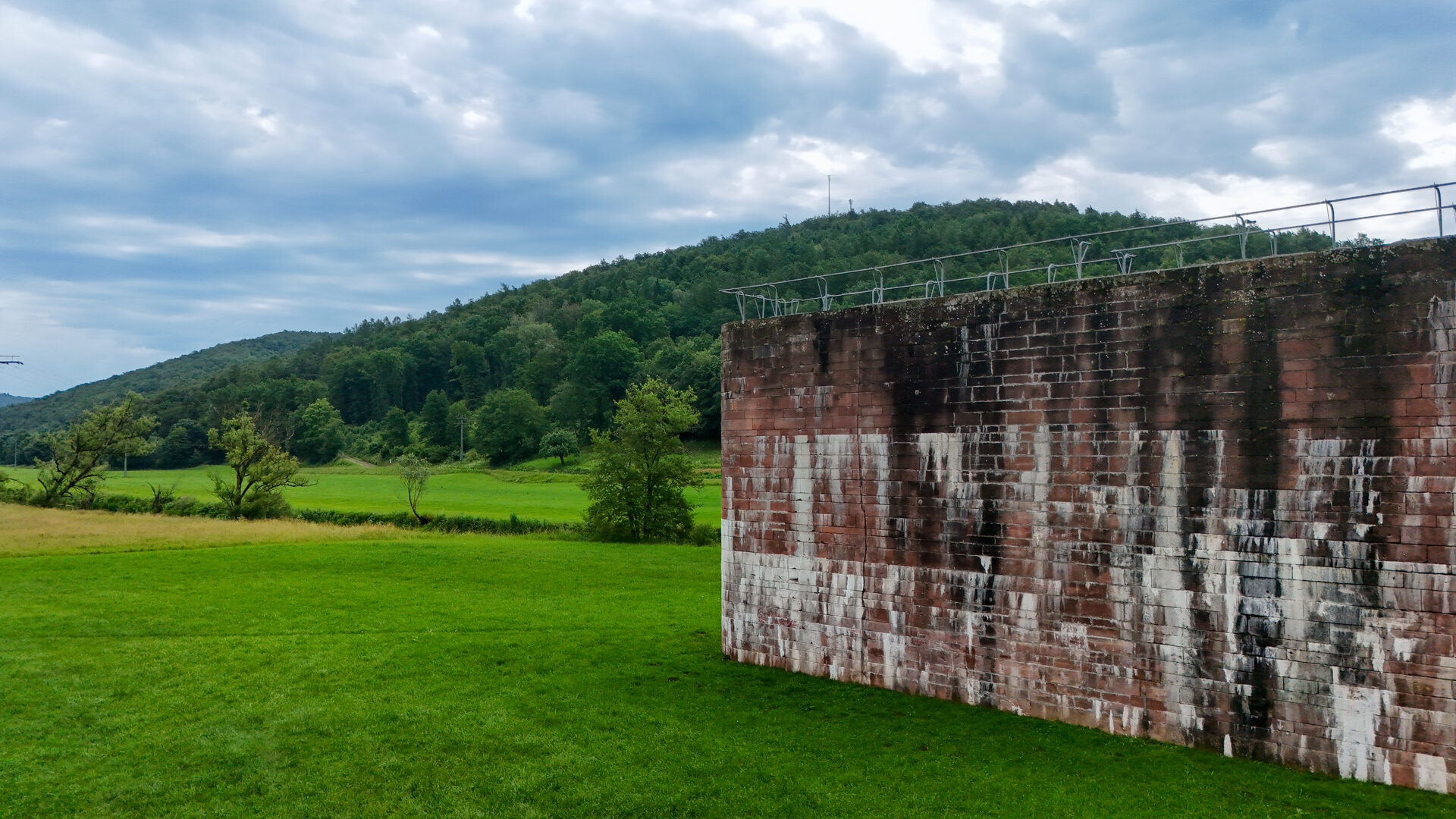
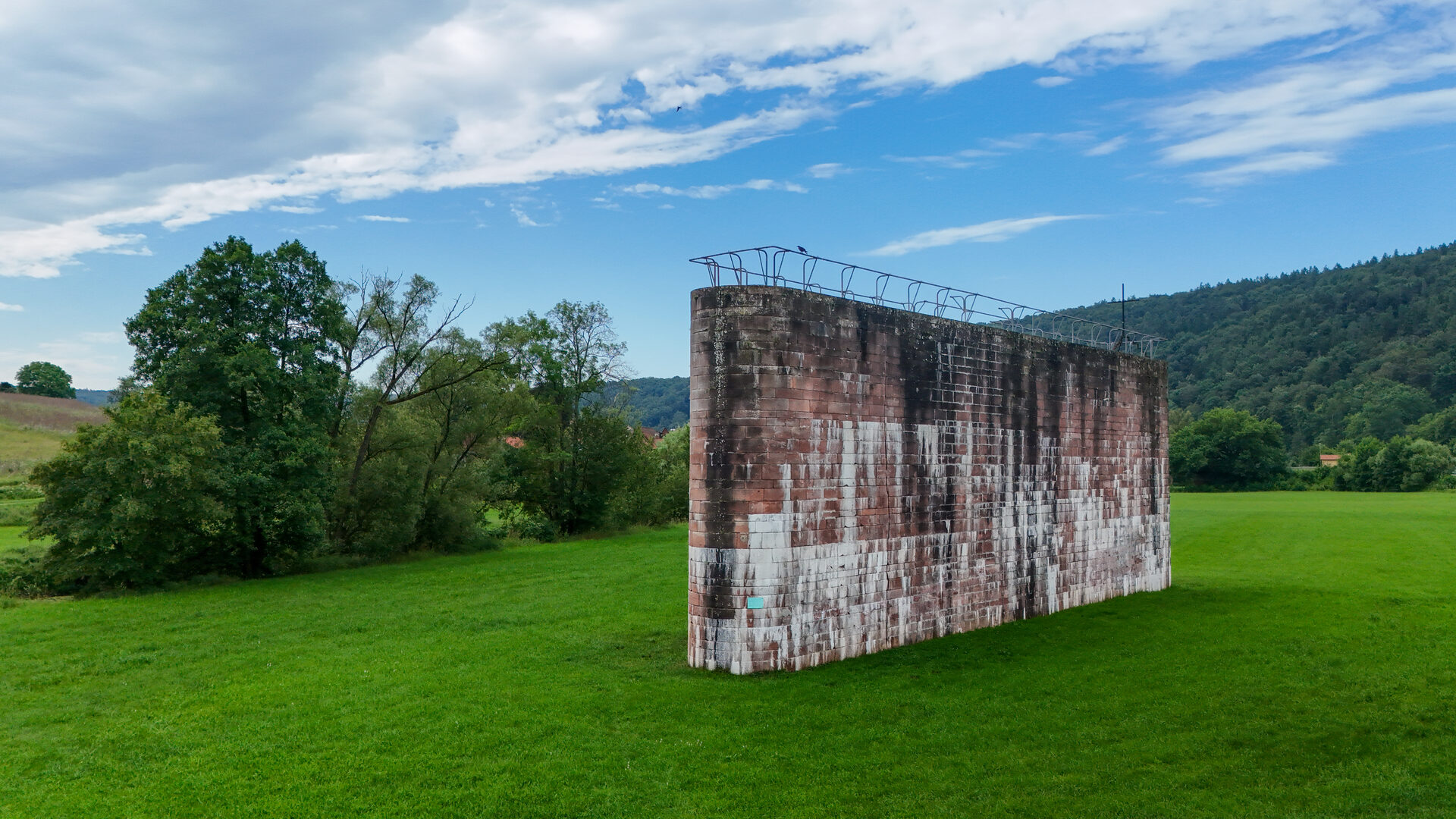
The tall pier between Schonderfeld and Gräfendorf is a leftover of the never-finished Reich motorway „Strecke 46“ from the 1930s - no bridge was ever laid across it. Today it serves the Alpine Club as a 10.8-metre sandstone climbing pier.
Places along the river
Aerial views of times past
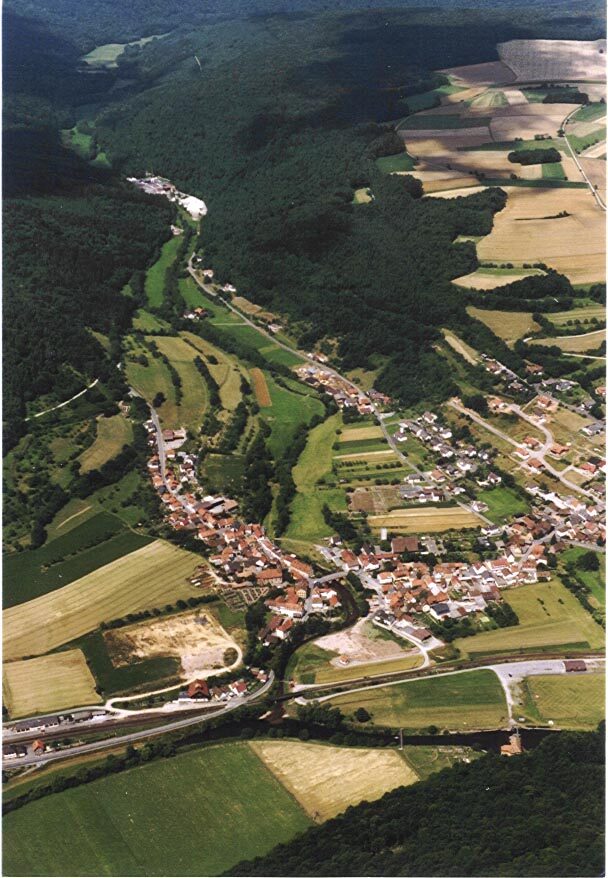
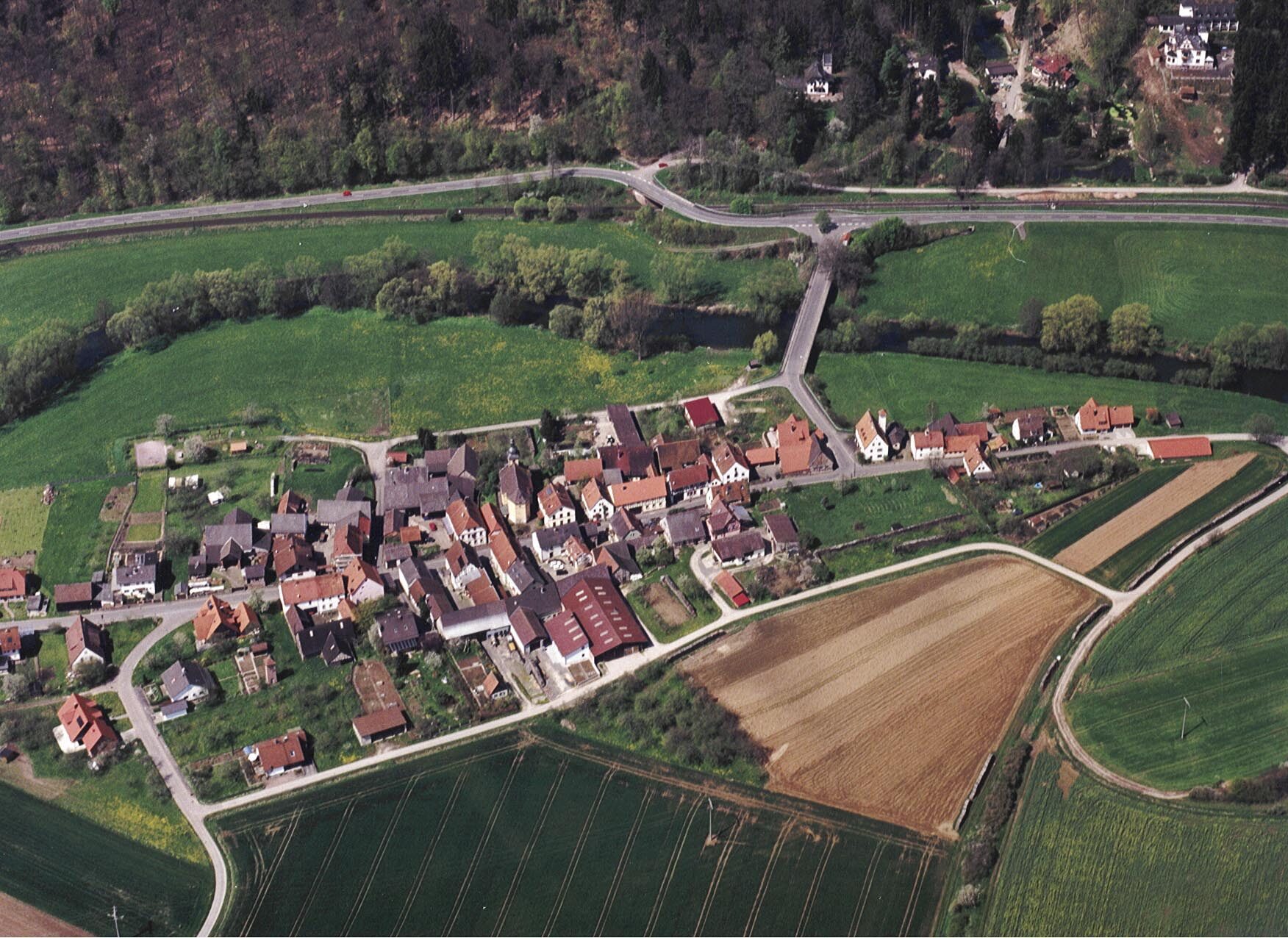
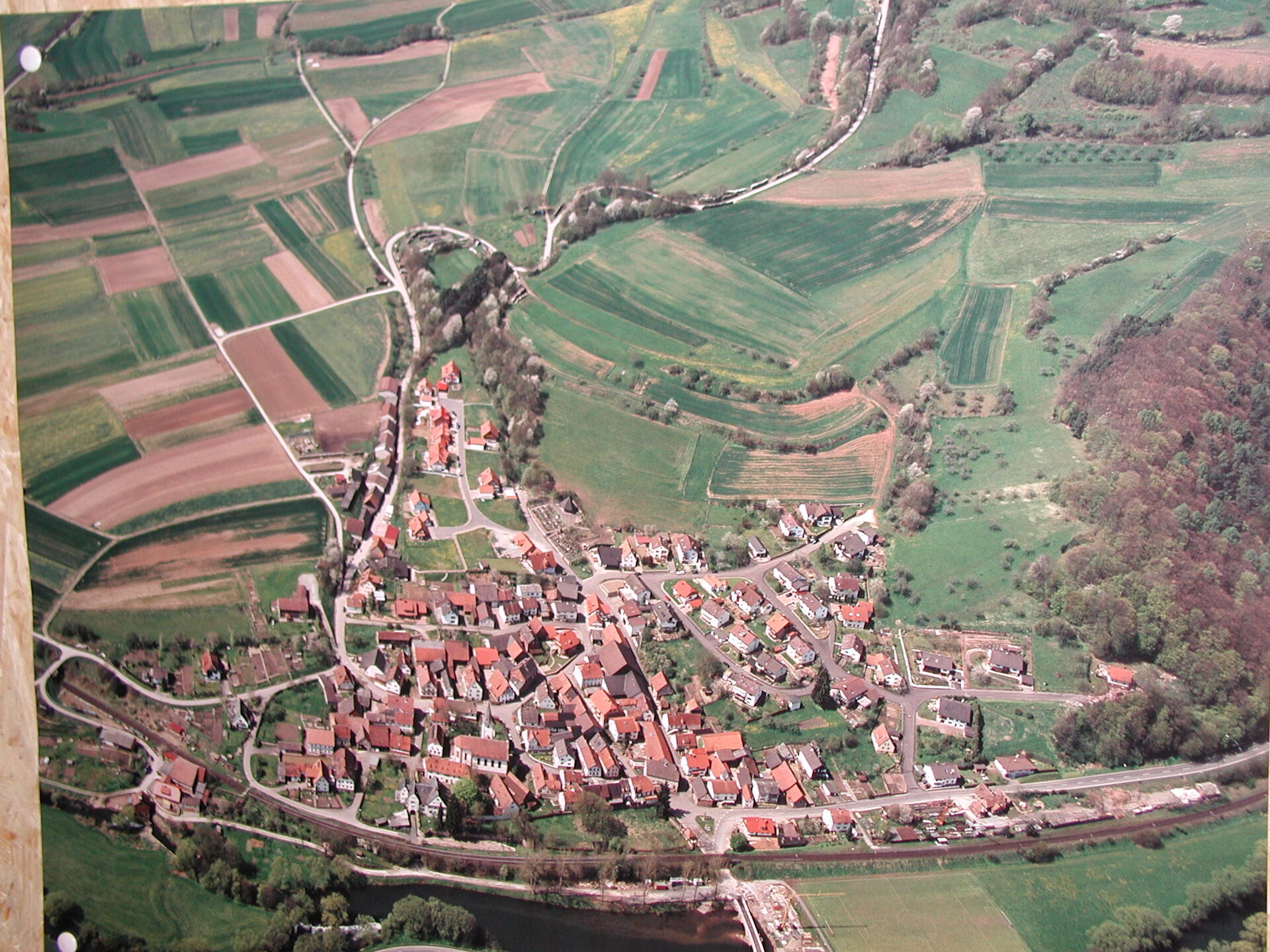
From the archive of Adolf Josef Ludwig Lutz
Curious to fish it?
Pick your card, check the closed seasons - and get in touch. We are happy to say which stretch is fishing best right now.